Most rental listings in Kenya get calls. The problem is what the calls are about. "Is it still available?" "How much is the deposit?" "Is water included?" "Where exactly is it?" Every one of those is a question the listing could have answered, and every caller who has to ask is a caller who may not bother.
A good listing is not the one that gets the most enquiries. It is the one where the people who turn up for a viewing already know the rent, the deposit, the location and what the place looks like, and came anyway. Those are the viewings that become tenancies.
The title: type, place, rent
House-hunters scan a list of results. The title is what they scan. Put the three things they filter on first:
Type and size, area, rent. For example: "2-bedroom apartment, Kilimani, KES 55,000". Not "Spacious modern unit in a serene neighbourhood", which describes every listing and rules none out.
Add one specific detail if there is space: "with borehole", "ground floor", "pets allowed". Choose the detail that matters most to the tenant you want.
The rent, and everything else they will pay
Hiding the rent to "start a conversation" starts the wrong one. State, in figures:
- Rent, and what period it covers.
- Deposit, as an amount, and whether any of it is non-refundable. Most tenants do not expect any part of a security deposit to be non-refundable, so if you do this, say so.
- Water: included, metered, or a flat amount. Metered tenants will ask how it is read.
- Service charge, garbage and security, if separate.
- Power: prepaid token or postpaid.
- Agency or viewing fees, if any.
A tenant who can work out their monthly cost from the listing is a tenant who has already said yes to it before they call.
The photographs house-hunters look for
House-hunters use photographs to rule places out. Give them enough to do it honestly:
- The outside of the building, from the road. People want to recognise it when they arrive and judge the compound.
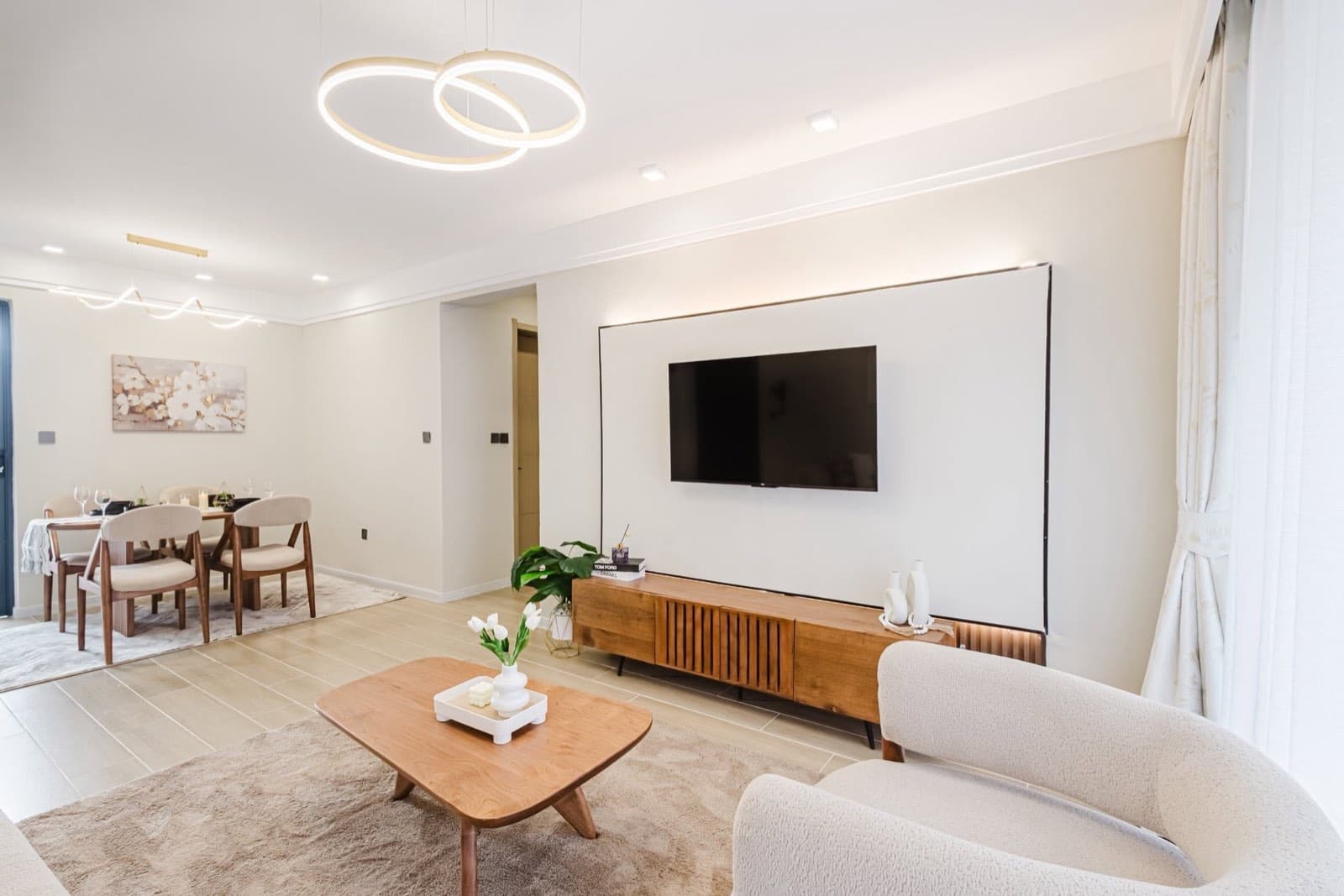
- The living room, from the doorway, in daylight.
- Every bedroom.
- The kitchen, showing the counter, sink and storage.
- The bathroom.
- The view from the window or balcony, if it is a selling point. Leave it out if it is a wall.
- Water storage: tanks, borehole, the meter. In many areas this decides the choice.
- Parking and the gate.
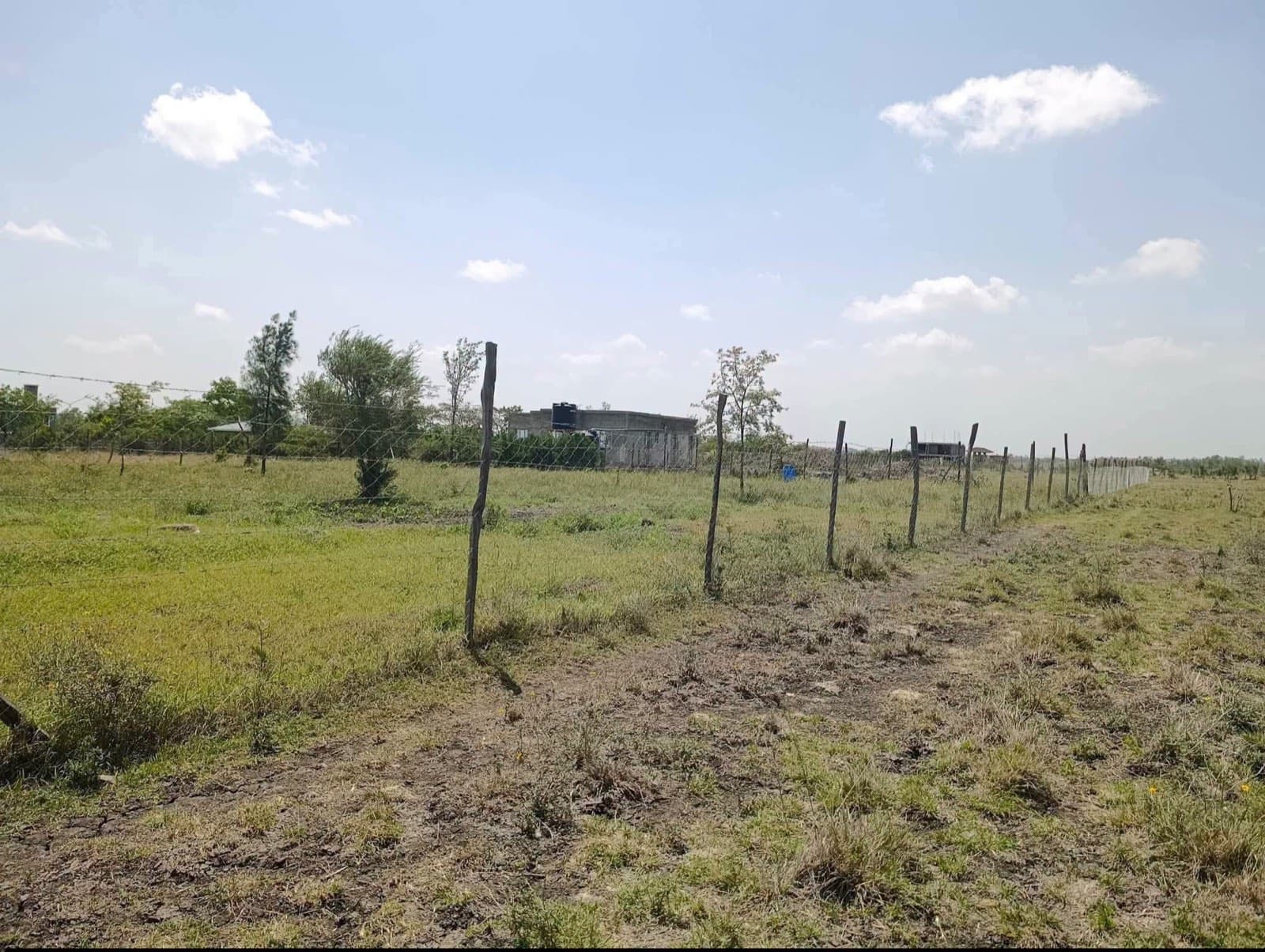
- The access road, especially if it is murram or becomes difficult in the rain.
Take them in daylight with the lights on, the curtains open and the surfaces clear. Hold the phone level at chest height. Do not use a wide-angle lens to make a room look bigger. The tenant will see the real room at the viewing, and the gap between the photographs and the room is what turns a viewing into a wasted trip.
Location, honestly
Name the area and the nearest landmark or stage: "five minutes' walk from the Naivas on Ngong Road" is more useful than "near amenities". You do not need to publish the house number. You do need to publish enough that someone can tell whether the commute works before they travel.
If the location is a compromise, say what it trades for. "Twenty minutes from the main road, quieter and lower rent" is a description a tenant can make a decision with.
The details that filter out wasted viewings
Short, specific lines answer the questions that come up in every call:
- Available from: a date, not "immediately" if it is still occupied.
- Water supply: council, borehole, both. How many days a week it runs.
- Power backup, if any.
- Pets, children, home businesses: allowed or not.
- Furnished, semi-furnished or unfurnished, with what is included.
- Lease length you expect.
- Floor and lift, for apartments.
- Security: guard, gate, CCTV.
Each one you state saves a call from someone who would have ruled the place out anyway.
Answer quickly, and close it when it is let
The first hour after an enquiry matters most. A house-hunter has usually messaged several listings, and the first reply often gets the viewing.
When the unit is let, take the listing down. Listings that are still up after the unit has gone are the main reason house-hunters distrust listing sites. Some enquirers will assume the worst, and it looks like a bait listing. See how to spot a fake rental listing for how hunters read these signs.
On our marketplace, units managed on our property management system close their own listing the day a tenant moves in, and other listers are prompted regularly to confirm a listing is still available. You can list your property for rent there as a landlord, broker or agency.
Why a listing gets calls but no viewings
If the phone rings and nobody comes, the listing is probably doing one of these:
- The rent is missing or vague, so callers are price-checking.
- The photographs flatter the space, and callers sense it.
- The location is too vague for anyone to judge the commute.
- The deposit or extra charges come up on the call and are higher than expected.
- The reply takes a day, and the caller has already booked elsewhere.
Fix the listing first, then look at the price. A unit that is priced right but described badly looks overpriced.
Common questions
What should a rental listing include?
The type and size, area and rent in the title. Then the deposit, how water and power are billed, any service charge, the date it is available, water supply and security, and a photograph of every room, the building, the access road and the water storage.
How many photos should a rental listing have?
Enough for a house-hunter to rule the place in or out without calling: usually eight to twelve, covering the outside, every room, the kitchen and bathroom, water storage, parking and the access road. Daylight, lights on, no wide-angle distortion.
Should I put the rent in the listing?
Yes. Listings without a price generate calls from people checking the price, many of whom would not have called if they had known. Stating it filters enquiries toward people who can afford it.
How long should a rental listing stay up?
Until the unit is let, and not a day longer. Take it down as soon as a tenancy is agreed, because listings that stay up after the unit has gone erode trust in every listing.
Why does my rental listing get calls but no viewings?
Usually because the listing leaves the rent, deposit, extra charges or exact area for the call, and callers rule the place out once they hear them. Put those details in the listing so the people who call are the ones who will view.